
When Storms Loom: Why Preparation Beats Panic Every Time
Each year, Florida residents face the same daunting reality—hurricane season brings powerful storms capable of disrupting lives in mere hours. With peak activity spanning June through November, coastal communities from Lehigh Acres to the Keys must remain vigilant. Every home within the evacuation zone needs a plan, because when winds rise and floodwaters threaten, there’s no time for second-guessing.
Being unprepared isn’t just risky—it’s avoidable. Simple oversights, like not securing outdoor items or failing to stock essential supplies, can escalate into serious hazards when a storm hits. The difference between resilience and ruin often comes down to the steps taken before the first warning is issued.
In this guide, you’ll learn how to build a comprehensive hurricane readiness strategy tailored to Florida’s unique climate challenges. From creating an emergency kit and reinforcing your property to understanding evacuation routes and protecting vital documents, each step is designed to keep you, your family, and your home safer when severe weather strikes. Preparation isn’t just practical—it’s peace of mind. For residents in Southwest Florida, post-storm mold testing is critical, and Eco Mold Testing provides professional mold inspection services to ensure homes remain healthy after flooding.
10 Must-Have Items for Your Hurricane Preparedness Kit
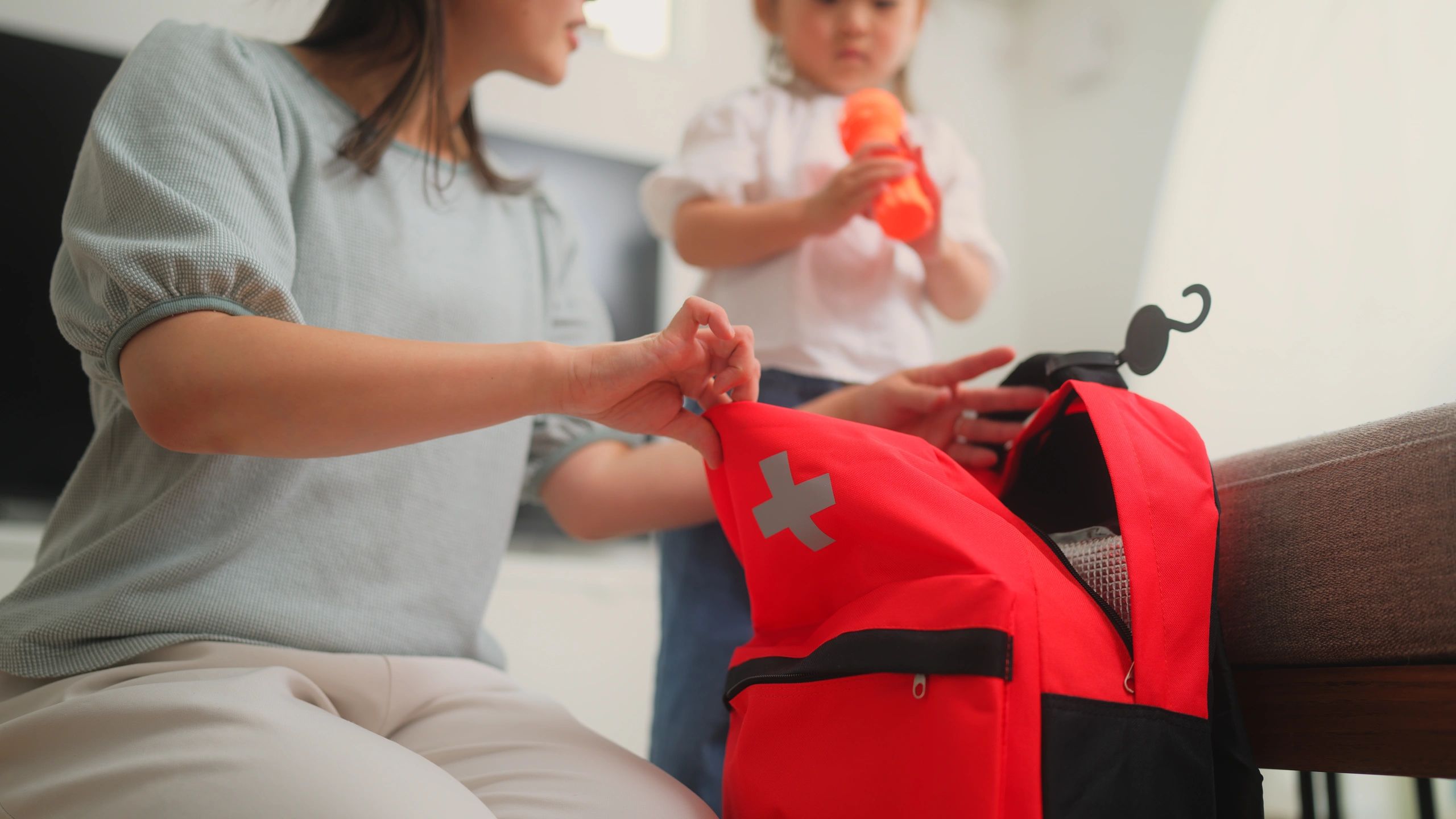
When storm season approaches, having a well-stocked hurricane preparedness kit can mean the difference between resilience and risk—especially in coastal regions like Southwest Florida. Don’t wait until warnings flash to gather supplies. Build your emergency kit now with these essential, often-overlooked items that address real-world hurricane scenarios.
Water (One Gallon Per Person Per Day)
Store at least three days’ worth of water for drinking and sanitation. Opt for commercially bottled water and replace every six months. In high-humidity areas like Lehigh Acres, keep containers in a cool, dark space to prevent algae growth.Non-Perishable Food & Manual Can Opener
Choose shelf-stable foods that don’t require cooking—granola bars, dried fruit, canned beans. Include a manual can opener; electric models won’t work during power outages.Battery-Powered or Hand-Crank Radio
Stay informed when the grid fails. NOAA Weather Radio with alert functions provides real-time updates on storm trajectories and evacuation orders.Flashlights & Extra Batteries
Avoid candles—flashlights reduce fire hazards. Consider headlamps for hands-free use during inspections or cleanup.First Aid Kit with Prescription Backups
Stock wound care, medications, and at least a seven-day supply of prescriptions. Humidity can degrade pills, so use sealed, climate-resistant packaging.Personal Hygiene & Sanitation Supplies
Include moist towelettes, trash bags, and feminine products. After flooding, sanitation becomes critical in preventing illness.Important Documents (In Waterproof Container)
Safeguard IDs, insurance policies, and bank records in a sealed waterproof pouch. Digital copies on a flash drive add backup security.Cash in Small Bills
ATMs and card readers fail during outages. Have physical currency accessible for gas, food, or emergency supplies.N95 Masks & Work Gloves
Post-storm cleanup exposes you to mold, dust, and debris. Southwest Florida’s wet climate makes these protective tools essential. After a storm, professional mold inspection services from Eco Mold Testing can identify hidden mold issues before they impact your health.Chargers & Power Banks
Keep solar chargers or portable power stations fully charged. They extend device usability for communication and weather updates when electricity is down.
Strengthen Your Home: A Complete Guide to Protecting Windows and Doors
When hurricane season approaches, securing your home’s most vulnerable entry points—windows and doors—should be your top priority. Failure to do so can result in significant structural damage, costly repairs, and safety risks, especially in high-wind regions like Southwest Florida. Follow these essential steps to reinforce your property before the storm hits.
Inspect All Windows and Doors
Check for cracks, loose frames, or worn seals. Even minor gaps can allow wind and water intrusion during a storm. Pay special attention to older windows and sliding glass doors, which are more prone to failure.Install Impact-Resistant Coverings
Use storm shutters, plywood panels (at least 5/8-inch marine-grade), or pre-cut protection systems. Ensure they’re rated for your region’s wind speeds. Secure with fasteners every 18 inches to prevent blow-off.Reinforce Entry Doors
Solid core or steel doors with reinforced frames offer better resistance. Upgrade hinge screws to 3-inch lag bolts and ensure the strike plate is securely anchored.Seal Gaps and Joints
Apply weather-resistant sealant around frames and thresholds to reduce water infiltration.Test Your System Early
Practice installing coverings weeks in advance. Being prepared saves time and stress when watches or warnings are issued.
Proper preparation protects not just your property, but your family’s safety when hurricane-force winds near coastal communities.
Secure Your Critical Documents Before Storm Season Hits
When hurricane season looms, protecting your home starts long before the winds pick up—it begins with safeguarding your most important documents. In Southwest Florida, where storms can move fast and power outages may last days, having quick access to essential paperwork is not just convenient, it’s a necessity. Start by gathering core documents: identification (like driver’s licenses and passports), property deeds, insurance policies, medical records, and financial statements. These should be scanned and stored in secure cloud storage, ensuring access even if physical copies are damaged.
For local families and homeowners, consider using a waterproof, fireproof safe for physical backups. Label files clearly—“Flood Insurance Policy 2024” or “Lehigh Acres Property Deed”—so they’re easy to locate under stress. Don’t forget to include contact information for local authorities, insurance agents, and property management services in the area.
Digital copies should be shared with trusted family members outside the storm zone. Update records annually, especially after renovations or policy changes. Knowing your documents are secure gives peace of mind when evacuations are ordered or shelters are full. Preparation isn’t just about supplies—it’s about ensuring your identity, ownership, and recovery options remain intact no matter what the season brings.
What Should Be in a Hurricane Preparedness Kit?
A well-stocked hurricane preparedness kit is essential for safety during storm season. Include at least three days’ worth of water (one gallon per person per day), non-perishable food, a manual can opener, flashlights, batteries, a first-aid kit, medications, personal hygiene items, and important documents in waterproof containers. Add a battery-powered or hand-crank radio to stay informed if power is lost. Don’t forget extras like baby supplies, pet food, or medical equipment if needed. Keep your kit in an easily accessible location and check it seasonally to replace expired items. For Florida residents, account for high humidity and heat when storing supplies.
When Should I Start Preparing for Hurricane Season?
Begin preparing well before June 1—the official start of hurricane season. Early preparation gives you time to assess your home’s vulnerabilities, reinforce windows and doors, clean gutters, and trim trees. Review your insurance coverage for wind and flood damage, as standard policies often exclude flooding. Create a communication plan with family members and identify evacuation zones in your area. Coastal communities like Lehigh Acres should pay close attention to local forecasts and evacuation orders.
How Do I Protect My Home from Hurricane Damage?
Board up windows with sturdy shutters or plywood to prevent debris from shattering glass. Reinforce garage doors, which are often weak points. Install impact-resistant roofing materials if possible. Elevate critical utilities like electrical panels and HVAC systems, especially in flood-prone areas. Secure outdoor furniture, grills, and trash cans that can become dangerous projectiles. Consider retrofitting your structure with hurricane straps or clips to strengthen roof-to-wall connections—this alone can significantly reduce storm damage.
What Should I Do After a Hurricane Passes?
Wait for official confirmation that it’s safe to go outside. Avoid downed power lines, standing water, and damaged structures. Document property damage with photos for insurance claims. Use caution with generators—never run them indoors due to carbon monoxide risk. Disinfect and dry wet areas quickly to prevent mold growth, which is a major concern in Florida’s humid climate. After water damage, it’s essential to seek professional mold testing to identify potential health risks. Eco Mold Testing offers comprehensive mold inspection in Southwest Florida, helping homeowners detect and address mold issues promptly. Reach out to local recovery resources if needed and begin cleanup only when it’s safe to do so.
How Often Should I Update My Emergency Plan?
Review and update your emergency plan every year. Life changes—like a new family member, pet, or home renovation—can impact your strategy. Practice evacuation routes and shelter-in-place drills with your household. Update contact information, medical details, and escape routes. Store digital copies of key documents on your phone or your website’s secure portal. Regular updates ensure your plan remains relevant and effective when seconds count.
How Can I Stay Informed During a Storm?
Monitor updates from trusted local sources like regional emergency management and the National Hurricane Center. Use a weather radio for real-time alerts. Sign up for emergency notification services through your city or county. Your phone’s Wireless Emergency Alerts (WEA) system delivers critical information even without a data connection. Avoid relying solely on social media for real-time storm tracking, as misinformation spreads quickly. Stay informed with multiple, reliable channels.
Stay Prepared, Stay Informed: Your Hurricane Season Action Plan
As hurricane season approaches, taking proactive steps now can make all the difference when severe weather strikes. From securing your home and assembling emergency kits to understanding evacuation zones and family communication plans, preparation is your strongest defense against storm-related disruptions—especially in vulnerable regions like Southwest Florida.
Now is the time to finalize your plan. Review your insurance coverage to ensure it includes wind and flood damage. Trim trees and secure outdoor items that could become projectiles in high winds. Charge backup power sources and update your emergency supply kit with water, non-perishable food, medications, and important documents. Most importantly, establish a reliable way to receive real-time storm updates—whether through local news, weather apps, or emergency alert systems.
Staying informed isn’t just about tracking storms—it’s about knowing when to act. Monitor forecasts closely, heed local advisories, and never wait until the last minute to evacuate if instructed. Your preparedness directly impacts your safety and recovery speed.
Take control today. Visit your local emergency management website to confirm your evacuation zone and shelter locations. Following a storm, don’t overlook indoor air quality—contact Eco Mold Testing for professional mold testing and inspection services throughout Southwest Florida. The peace of mind that comes from being ready is priceless—protect your home, your family, and your community by staying informed and prepared throughout the season.